Eight Elite Player Profiles That Unbalance Defences
From the first touch to the blind spot: the details that make elite attackers difficult to contain.
A defensive plan can be sound and still face difficult decisions. Elite players exploit timing, space and body orientation to change the problem before an opponent can react. These eight descriptive profiles can overlap within the same player; none makes someone literally unstoppable.
The roaming creator
A player listed on the wing may appear centrally or on the opposite side. Following them can open a gap; passing them on requires clear communication. Eden Hazard illustrates how freedom in possession can create marking dilemmas. That freedom still depends on teammates maintaining width, balance and defensive cover.
Player examplesEden Hazard
The expert at shielding the ball
A well-timed step across the defender’s path can put the attacker between opponent and ball. Balance, body orientation and control make a challenge harder. Cristiano Ronaldo offers examples of protecting an advantage while running towards goal. Contact must be judged in context; shielding does not make every subsequent challenge a foul.
Player examplesCristiano Ronaldo
The change-of-pace attacker
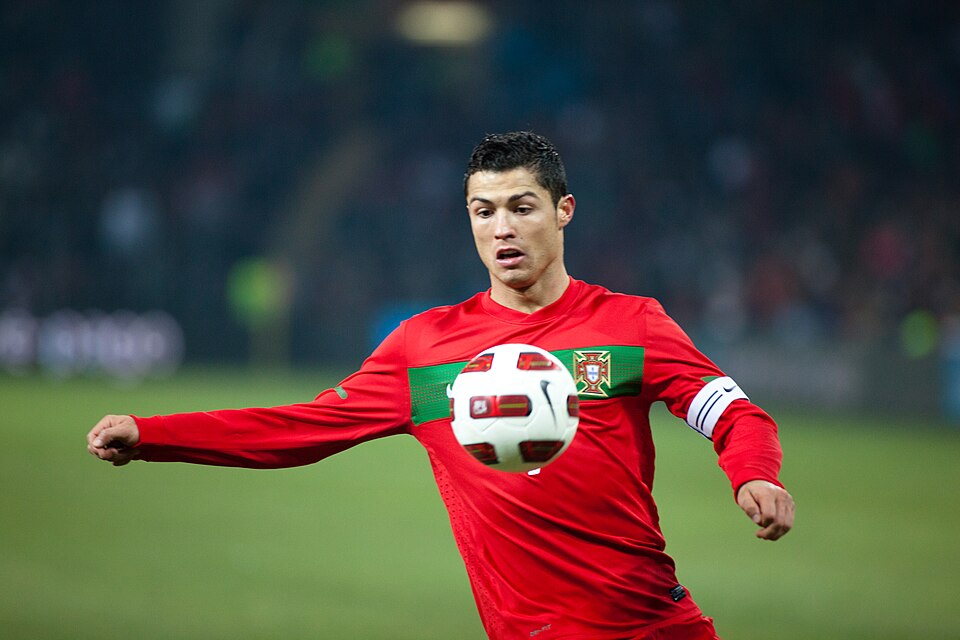
The decisive advantage may come from acceleration rather than maximum speed. Slowing down invites a defender to set their feet; a sudden burst attacks the moment they cannot easily adjust. Ronaldo illustrates this manipulation of rhythm. Read the approach, pause and exit together, rather than treating the action as pure sprinting.
Player examplesCristiano Ronaldo
The line-breaking first touch
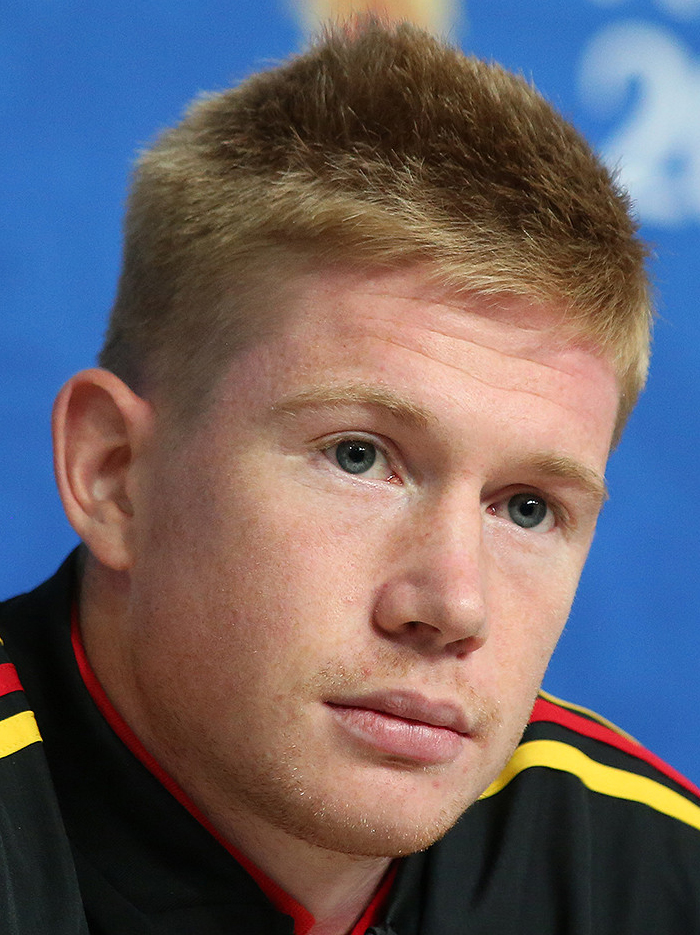
The first touch can be an attacking action rather than a pause to control the ball. Its angle and weight can take the ball beyond a challenge and prepare a pass or shot immediately. Kevin De Bruyne provides a reference. The opportunity begins before receiving, through scanning and body orientation.
Player examplesKevin De Bruyne
The player in the blind spot
Being available is not always about moving fastest. A player can pause outside a defender’s attention, then enter a passing lane as the ball moves. Roberto Firmino illustrates how movement between lines can connect attacks while other forwards threaten depth. Watch the defender’s sightline as closely as the receiver’s run.
Player examplesRoberto Firmino
The press-resistant receiver
Escaping pressure begins before the pass arrives. Scanning reveals opponents, support and the direction of pressure; body orientation and a controlled touch then create the exit. Thiago Alcântara illustrates this combination. It is not immunity to pressing: the quality of the pass and nearby support still matter.
Player examplesThiago Alcântara
The passer who sees the next space
The most dangerous option may not yet look open. A passer anticipates a runner’s arrival and finds a route around or beyond the defensive line. Paul Pogba offers examples of long-range vision and disguised delivery. Evaluate timing, execution and the runner’s contribution, not only the apparent ambition of the pass.
Player examplesPaul Pogba
The multidimensional creator
A defender who closes the dribble may open a pass; one who protects the pass may allow a carry. Lionel Messi illustrates how dribbling, scanning, passing and movement can reinforce each other. The problem is not a player who cannot be stopped, but a succession of choices that makes a single defensive answer insufficient.
Player examplesLionel Messi
Read the relationship, not just the role
Do not only ask whether an attacker beat their opponent. Ask which detail created the advantage: a pause, a touch, a scan or an unseen run. Those details explain how individual quality interacts with a team’s structure and why preparation must leave room for adaptation.