Seven Player Profiles Behind Guardiola’s Football
Positioning, composure and adaptability: a scouting lens on the players who make the structure work.
A system becomes real through the decisions of its players. Across Guardiola’s teams, several recurring qualities offer a useful way to read how structure and individual skill interact. These seven profiles are an interpretive framework, not official categories or a claim that every team used the same approach.
The positional anchor
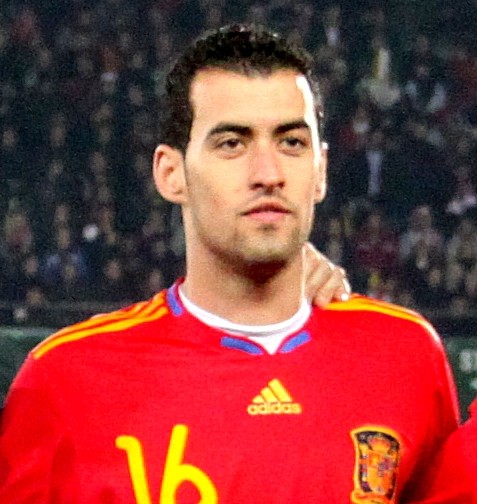
The anchor offers a reference behind the ball, supports passing angles and protects the centre. Busquets, Alonso and Rodri illustrate different ways of organising from deep. Their value cannot be reduced to goals and assists, but neither can it be separated from teammates and the structure around them.
Player examplesSergio Busquets · Xabi Alonso · Rodri
The defender who plays through pressure
The first line must do more than circulate possession. A calm first touch, scanning and the choice to pass or carry can eliminate an opponent’s pressing line. Piqué, Boateng and Stones provide different references. Ball-playing quality complements defensive work rather than replacing it.
Player examplesGerard Piqué · Jérôme Boateng · John Stones
The midfielder with several responsibilities
Creation and defensive responsibility are not opposites. The midfielder may connect possession, arrive in attacking space and react quickly after a turnover. Fàbregas, Thiago and De Bruyne are not identical profiles: they illustrate different mixtures of passing, positioning and attacking contribution. Judge the assigned role rather than expecting every midfielder to do everything.
Player examplesCesc Fàbregas · Thiago Alcântara · Kevin De Bruyne
The forward who connects and creates space
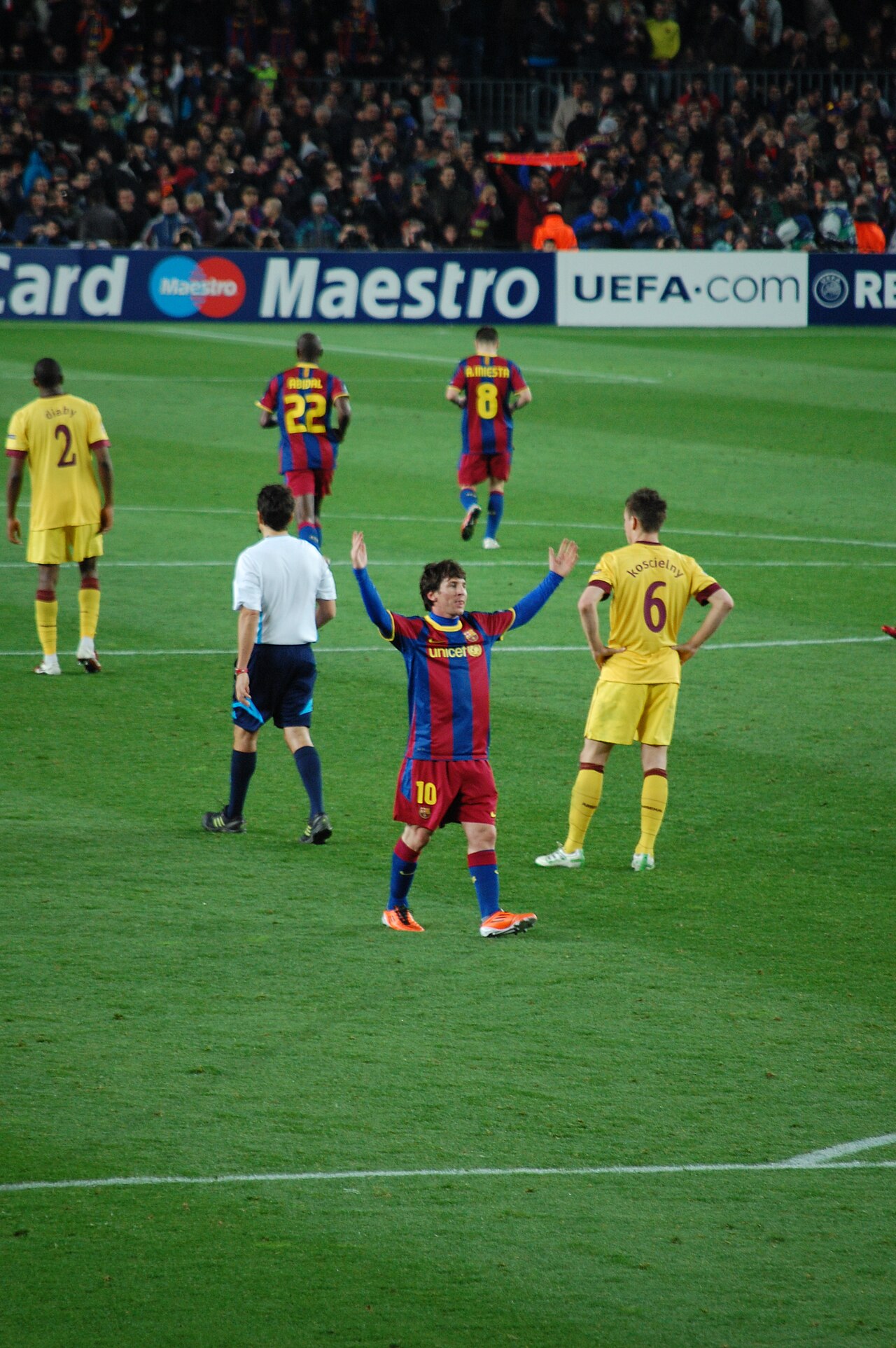
Dropping away from the last line can create a dilemma: follow the forward or allow a free receiver between the lines. Messi is a reference for the false nine; Götze, Bernardo Silva and Foden offer other interpretations of central attacking movement. This is one solution among several, not a rule that every Guardiola striker must always drop deep.
Player examplesLionel Messi · Mario Götze · Bernardo Silva · Phil Foden
The adaptable wide player
Width, inside combinations and defensive recovery can be shared between a winger and full-back. Alves, Ribéry and Bernardo illustrate distinct starting positions and responsibilities. What links them is the ability to adjust to teammates, not a claim that they all played the same position or carried the same workload.
Player examplesDani Alves · Franck Ribéry · Bernardo Silva
The goalkeeper as a passing option
A goalkeeper who is comfortable in possession can help create an extra passing option against pressure. Valdés, Neuer and Ederson offer different references for distribution and starting position. The aim is not short passing at any cost: the useful decision may be a quick combination, a switch or a direct ball beyond the press.
Player examplesVíctor Valdés · Manuel Neuer · Ederson
The player whose role is reimagined
A change of role can bring a player’s reading of the game and passing closer to the team’s needs. Mascherano’s move into central defence and Lahm’s midfield work illustrate positional adaptation. David Silva offers a reference for using intelligence and technique within an evolving role. These examples are not all cases of ageing players being rescued, and adaptation does not erase physical demands.
Player examplesJavier Mascherano · Philipp Lahm · David Silva
Scout the player within the structure
Look for how a player’s strengths connect with those around them. Can they receive under pressure, protect the right space and recognise when a teammate changes position? A scouting report becomes more useful when it explains the conditions in which those qualities can work, not just the qualities themselves.