Beyond the Position: Nine Hidden Functions in Football
From ball-carrying to cover shadows: read what a player does for the team, not just where they start.
Why can a player be essential without dominating the headline statistics? A position tells us where a player starts; a role describes the job. These nine functions offer a way to notice actions that create the conditions for a teammate to succeed. They overlap and do not form a fixed tactical classification.
Progressive ball-carrier
A pass moves the ball; a carry can also draw a defender out. The progressive carrier advances from deeper areas, invites pressure and releases the ball when a new lane opens. Bernardo Silva illustrates how close control and changes of direction can disrupt a defensive shape. The beneficiary may be the teammate who receives in the space created.
Player examplesBernardo Silva
The press initiator
A heavy touch, a backward-facing receiver or a pass towards the touchline can act as a pressing trigger. The first player recognises the cue and sets the angle for teammates to follow. Kai Havertz is a useful reference for front-line work without the ball. The trigger is the cue; the player initiates the collective response.
Player examplesKai Havertz
Space creator
A run can be valuable without receiving the ball. Moving between zones, threatening depth or dragging a marker wide can open a lane for someone else. Julian Brandt offers a reference for this fluid movement. To judge it, look beyond where the ball goes and follow the defender whose position has changed.
Player examplesJulian Brandt
Build-up anchor
Receiving close to your own goal under pressure demands scanning, body orientation and a reliable first touch. The build-up anchor offers an outlet and helps find the next free player. Rodri illustrates the importance of knowing the next option before the ball arrives. Pass completion alone cannot show the difficulty or value of those decisions.
Player examplesRodri
Third-man runner
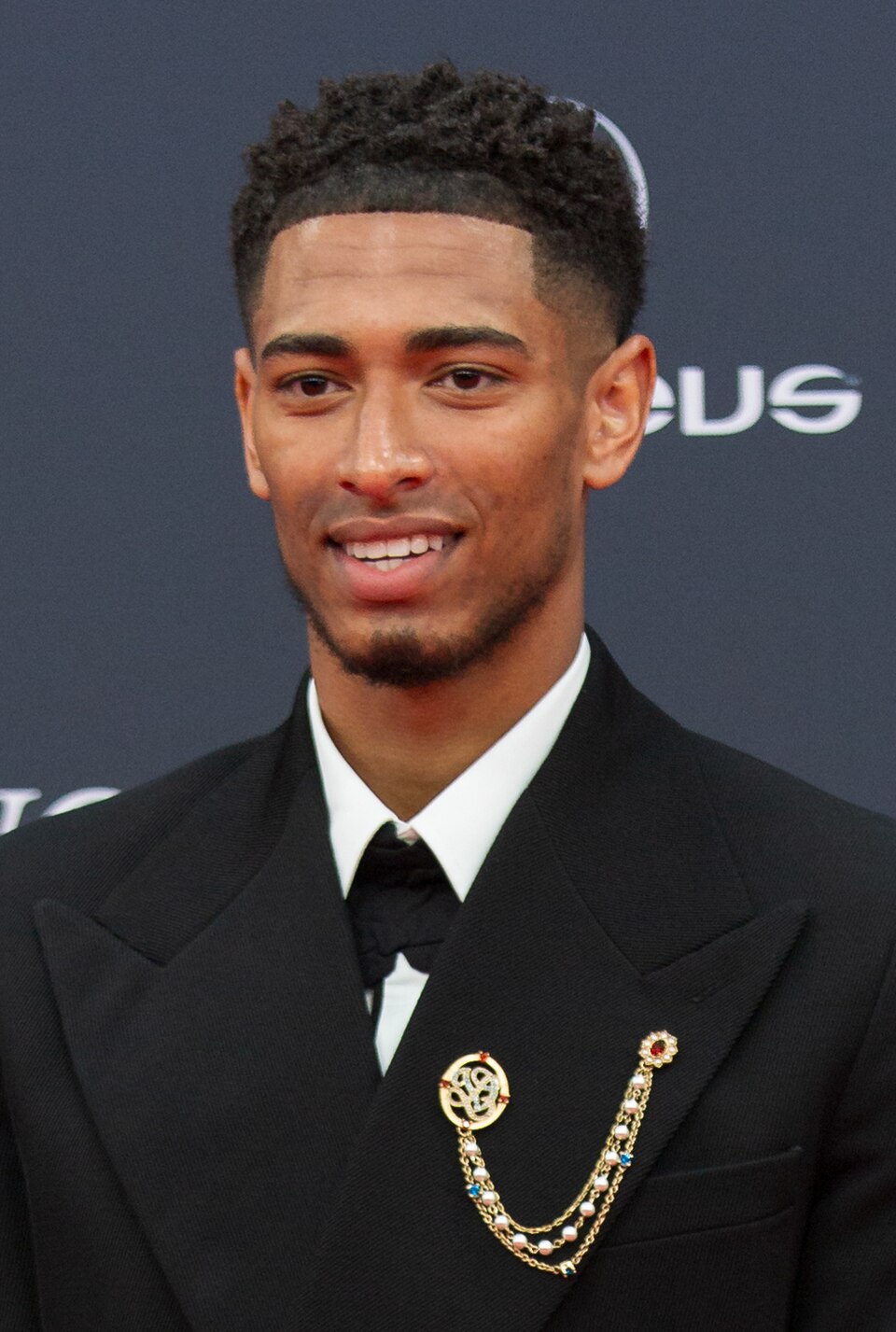
The third player exploits a combination between two teammates. While attention follows the initial pass and layoff, the runner moves into the next space to receive. Jude Bellingham offers examples of timed arrivals from midfield, though not every late run is a third-man combination. Identify the link between all three players.
Player examplesJude Bellingham
Positional rotator
Leaving a position can preserve the team’s structure if a teammate fills it. Dropping towards the centre-backs or moving wide may allow someone else to advance. Alexis Mac Allister provides a reference for these adjustments. The key is the exchange of responsibilities, not movement for its own sake.
Player examplesAlexis Mac Allister
Shadow striker
Starting behind the front line, the shadow striker attacks the box as a second scoring threat. Timing and blind-side movement can matter more than a fixed starting position. Cole Palmer illustrates movement from attacking pockets towards central danger areas, although his responsibilities can also include creating and linking play.
Player examplesCole Palmer
Half-space operator
The half-space lies between the centre and the flank. Receiving there can create uncertainty over whether a full-back, centre-back or midfielder should step out. Bukayo Saka illustrates movement from the right wing into the inside channel. The advantage depends on support, passing angles and the opposition’s defensive responsibilities.
Player examplesBukayo Saka
Using the cover shadow
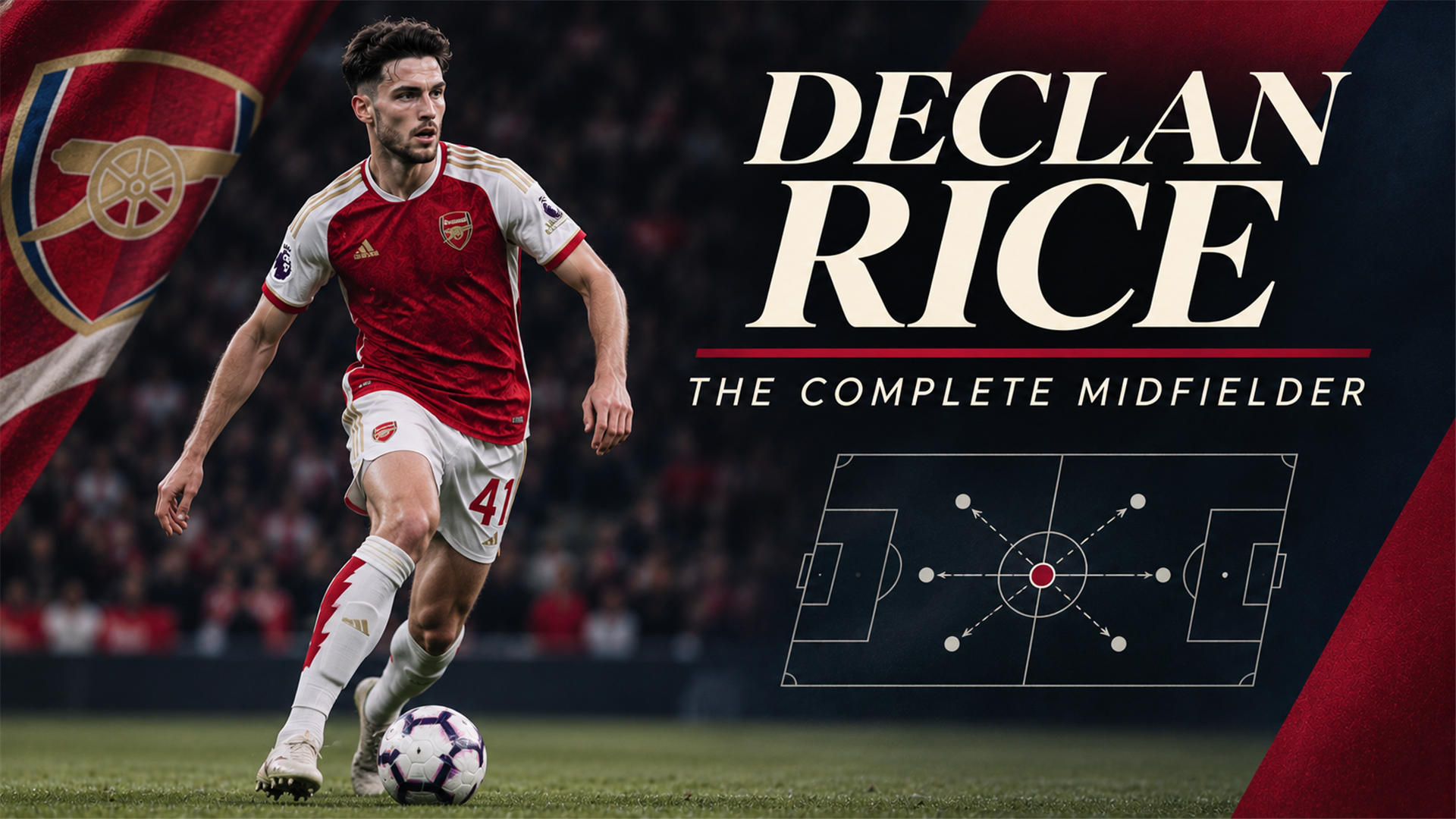
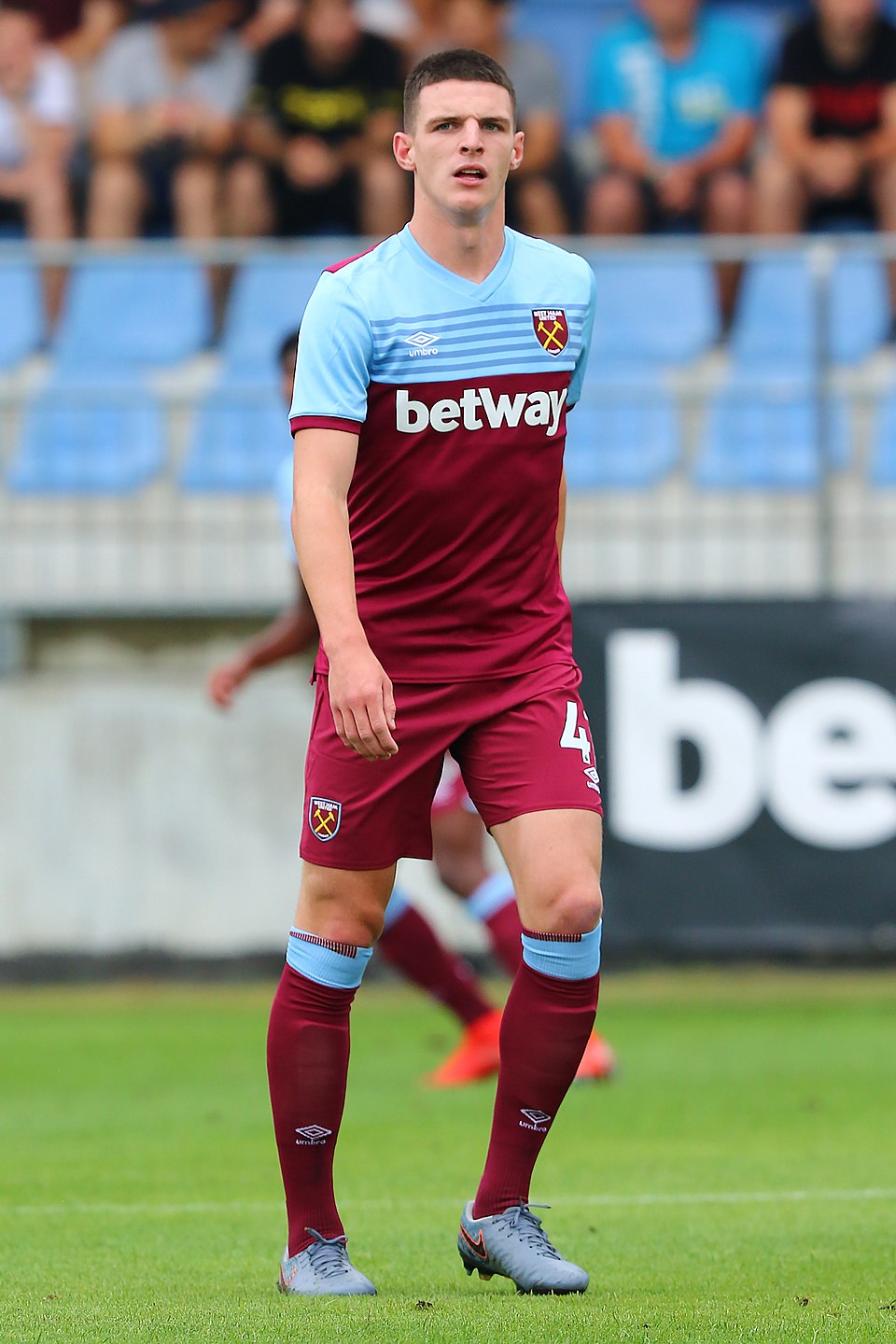
A defender can pressure the ball while blocking a pass to an opponent behind them. That blocked route is the cover shadow: a positional effect, not a standalone position or an automatic ball recovery. Declan Rice offers examples of screening and pressing angles. Watch how the body and approach close one route while directing play towards another.
Player examplesDeclan Rice
Read the relationship, not just the role
Follow the movement before the assist, the space created before the shot and the pass prevented before the tackle. Roles become clearer when individual actions are read in relation to teammates and opponents. The next time you watch a match, follow one player away from the ball for a few minutes.