Two Players, One Balance: Seven Midfield Partnerships
Beyond individual roles: how midfielders combine to protect, create and control the game.
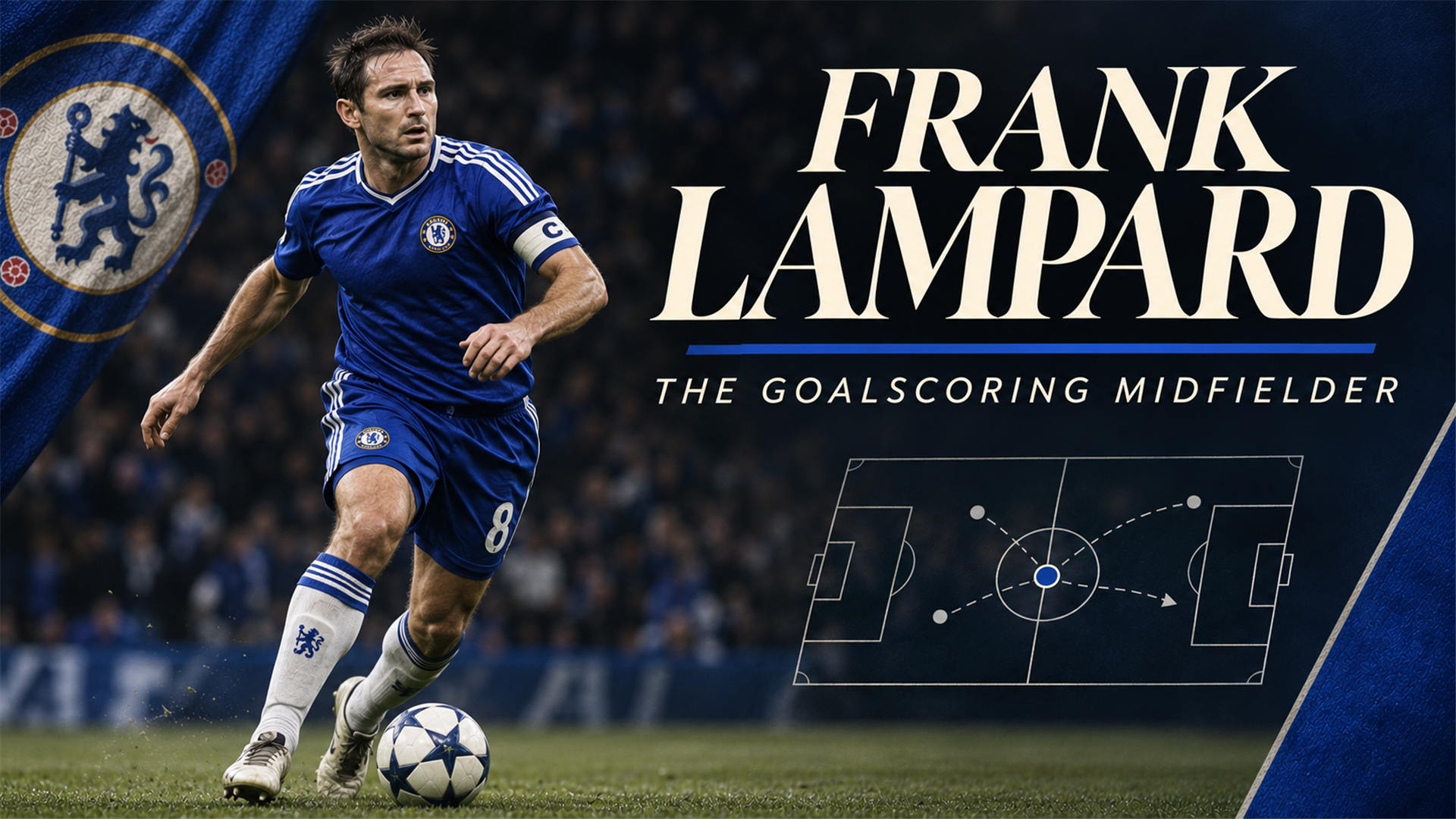
A midfielder’s quality cannot be read in isolation. The freedom to step forward often depends on a teammate staying behind. These seven patterns offer a way to read that relationship, rather than a complete or rigid classification of midfield play.
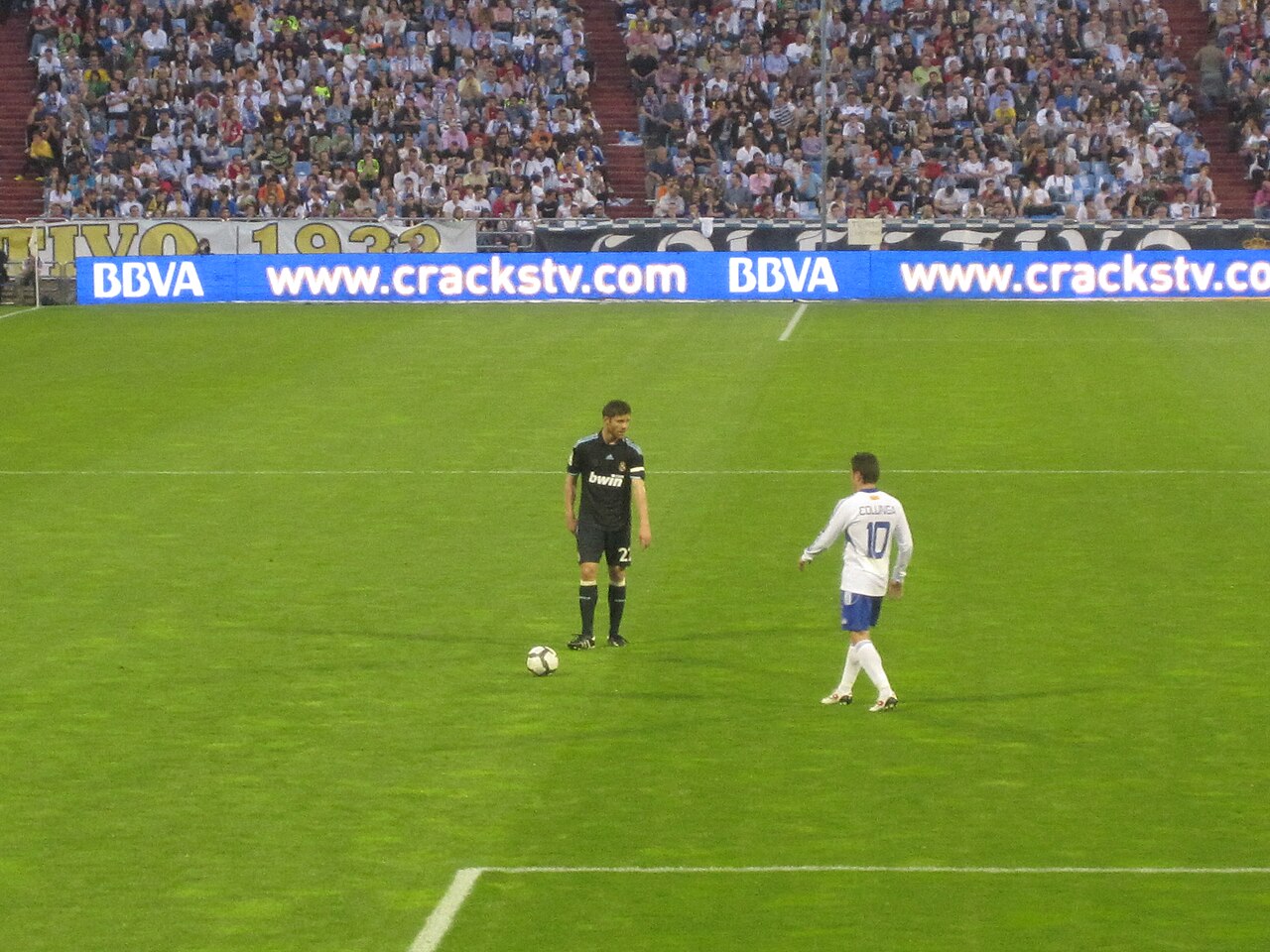
Double pivot: balance in motion
Two players may start side by side, but their relationship is constantly changing. When one steps towards the ball, the other protects the space behind. Security comes from their distances and timing, not simply from having two midfielders in a low position.
Player examplesXabi Alonso · Sami Khedira
Holding player + box-to-box runner
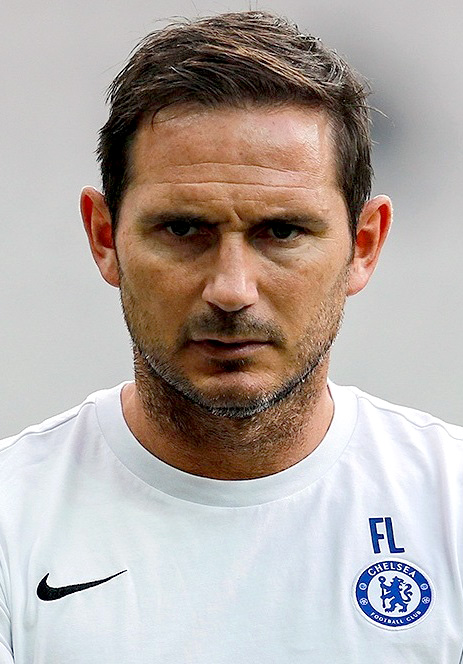
A late run into the box often begins with someone else staying behind. The holding player protects the space in front of the defence, giving the runner freedom to join attacks. This is a division of responsibilities, not a measure of which player matters more.
Player examplesClaude Makélélé · Frank Lampard
Two creators: sharing the initiative
Two creative midfielders can complement each other when one receives and the other supports, moves beyond or creates a new angle. De Bruyne and Silva illustrate this exchange. Their partnership also depended on the wider team structure, including support behind them; it was never just two players acting alone.
Player examplesKevin De Bruyne · David Silva
Press and cover: the second movement
The press is only half the action. As one midfielder closes an opponent, the partner must anticipate the pass or cover the space being left. Kanté and Drinkwater offer a useful reference, but their work formed part of a collective defensive block rather than a single repeated mechanism.
Player examplesN’Golo Kanté · Danny Drinkwater
Ball-winner and distributor
One player disrupts the opposition; the other turns regained possession into a controlled attack. Gattuso and Pirlo show how contrasting strengths can fit together. Both still had responsibilities beyond these labels, and their teammates helped make the balance work.
Player examplesGennaro Gattuso · Andrea Pirlo
Two defensive specialists
A coach may prioritise duels, screening and defensive transitions in the centre, while creating chances through the flanks or quick attacks. Mascherano and Cambiasso help illustrate defensive qualities within such a pairing. This does not make the midfield unbreakable or remove the need for progression on the ball.
Player examplesJavier Mascherano · Esteban Cambiasso
Rotating partnership: a changing shape
The team sheet does not tell the whole story. A full-back may step into midfield, or a midfielder may drop into the defensive line. Lahm and Alonso provide a reference for fluid positioning, not a fixed recipe used in every match. The key is who fills the space and when the team returns to its defensive shape.
Player examplesPhilipp Lahm · Xabi Alonso
Read the relationship, not just the role
The question is not only whether two players are individually good enough. It is whether their decisions fit together: who protects, who progresses and who takes responsibility when possession changes. Read those connections and the team’s intentions become clearer.