Ten Coaches, Ten Ways to Build an Attack
From Mourinho’s direct transitions to De Zerbi’s invitation to press: ten ways to move the ball forward.

Build-up is not a fixed sequence that always starts with the goalkeeper. It is the way a team advances possession in context: short or long, patiently or quickly, through pressure or into the space behind it. These ten coaching approaches offer different answers to the same question.
Choose the space beyond the press
Mourinho’s teams have often combined compact defending with direct attacks. After a regain, a forward pass towards a striker who can hold the ball, or into space behind an advanced defence, can bypass the first press. Drogba and Milito offer different examples of the reference point. This does not mean every Mourinho side refuses to build short: the choice depends on the match.
Player examplesJosé Mourinho

Illustrative formation
Width, verticality and counterpressing
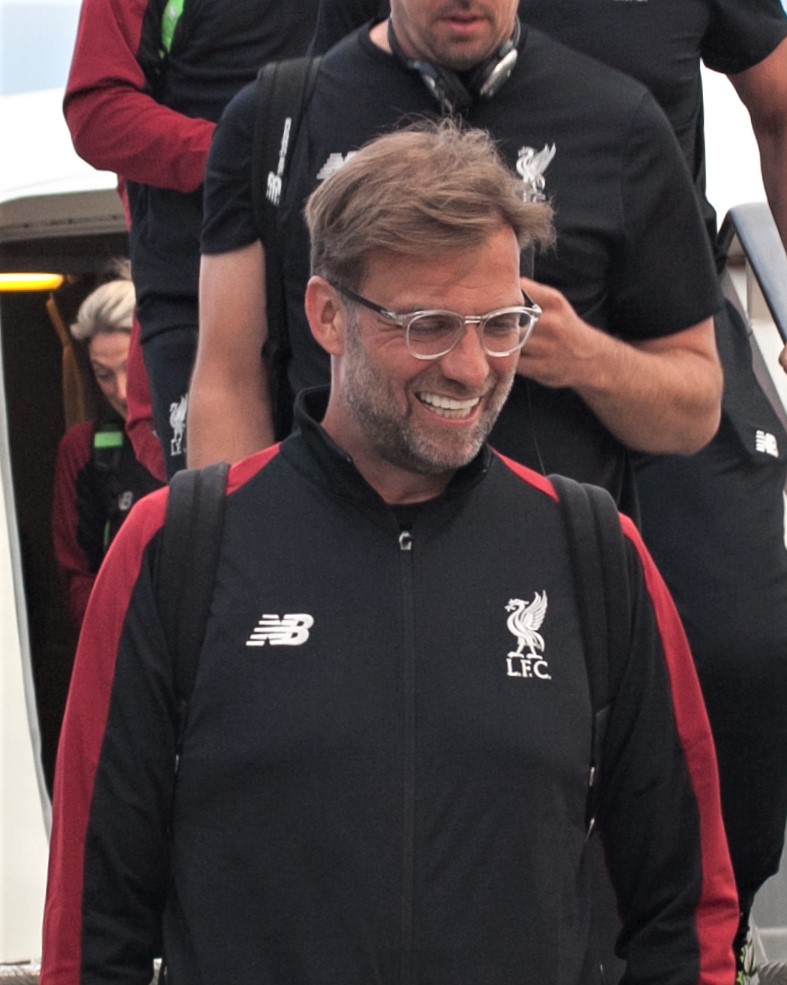
Klopp’s Liverpool often used advanced full-backs to provide width while Salah and Mané moved inside. A pass forward could be followed by immediate pressure after a loss: counterpressing aims to recover the ball or slow the opponent before the team reorganises. The space behind an advanced full-back still needs cover.
Player examplesJürgen Klopp
Illustrative formation
Breaking lines from the back
A centre-back able to find a teammate between lines can turn a high press into space to attack. At Barcelona, Pau Cubarsí’s forward passing provides a useful example, while Pedri can help connect the first line to the midfield. The receiver’s body orientation and the support behind the ball matter as much as the pass itself.
Player examplesHansi Flick

Illustrative formation
Rotation without losing the structure
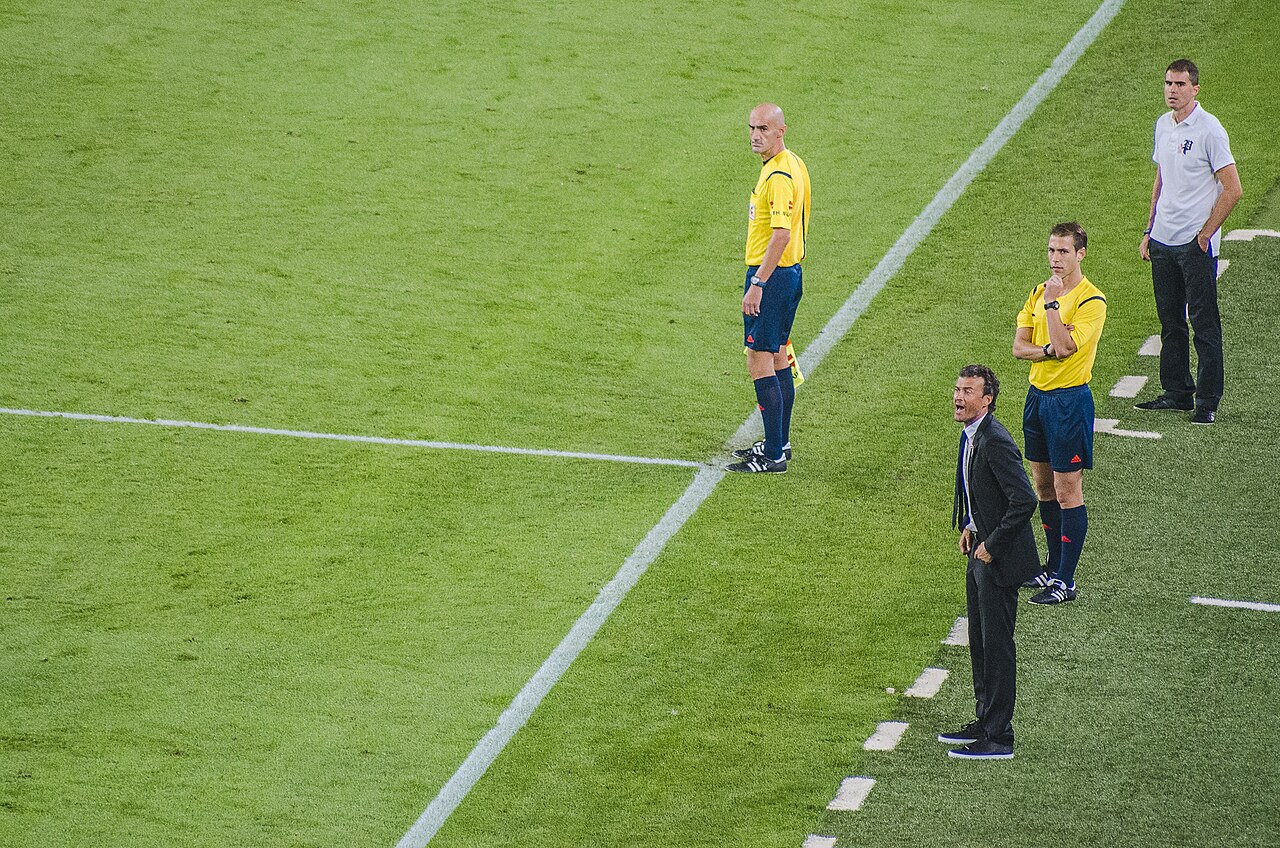
Luis Enrique’s PSG illustrate how players can exchange positions while maintaining passing connections. Vitinha can help set the rhythm; Hakimi and Nuno Mendes may provide width or move into advanced areas. Rotations can unsettle marking, but the spaces left behind must be occupied by teammates.
Player examplesLuis Enrique
Illustrative formation
The full-back moves inside
At Arsenal, an inverted full-back such as Oleksandr Zinchenko has at times moved alongside a midfielder during build-up. The extra central option helps create passing angles and can support the team’s protection against counterattacks. If the opponent stays compact, however, circulation still needs movement and penetration.
Player examplesMikel Arteta

Illustrative formation
Occupy space, create the free player
Guardiola’s teams use width, varied heights and passing triangles to create a free player. At Manchester City, a defender such as John Stones has stepped into midfield alongside Rodri, allowing a 3-2 base behind advanced attackers. The goalkeeper can also play over a high press; the structure changes with players and opponents.
Player examplesPep Guardiola
Illustrative formation
Build around the passer
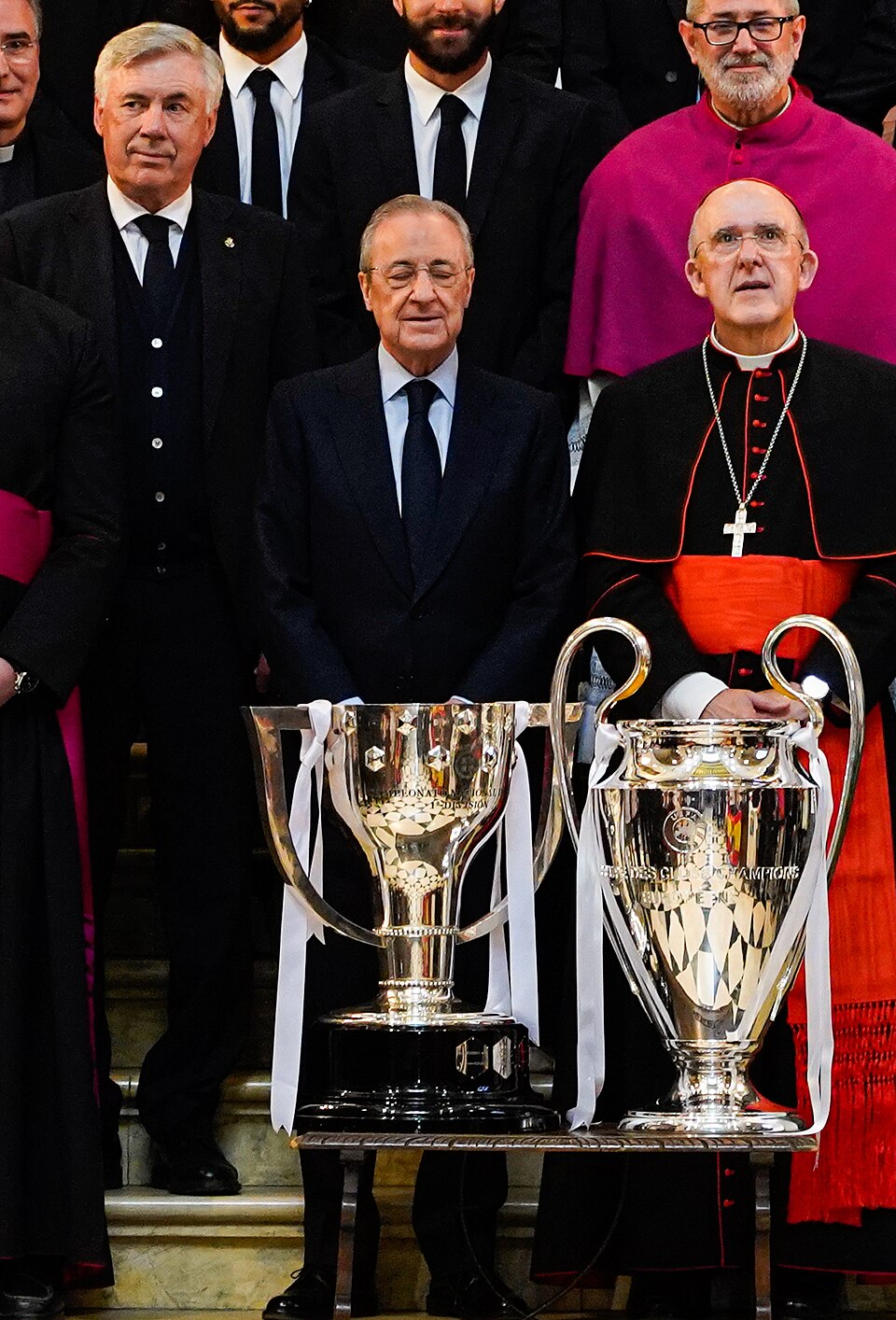
Ancelotti has adapted his teams to influential players. At Milan, Andrea Pirlo helped direct play from deep; at Real Madrid, Toni Kroos could receive in a deep left-sided area and connect the next pass. Stopping the main passer can create space elsewhere, so the surrounding options are essential.
Player examplesCarlo Ancelotti
Illustrative formation
Triangles and the switch
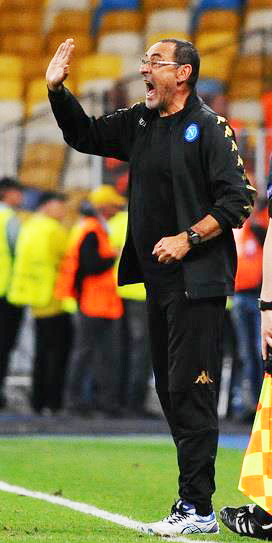
Sarri’s Napoli became known for quick combinations and close passing support. Jorginho connected the first phases, while players on the left could combine to draw opponents before the attack switched or found space beyond them. The tempo depends on timing and distances, not simply a fixed number of touches.
Player examplesMaurizio Sarri
Illustrative formation
Invite pressure to create space
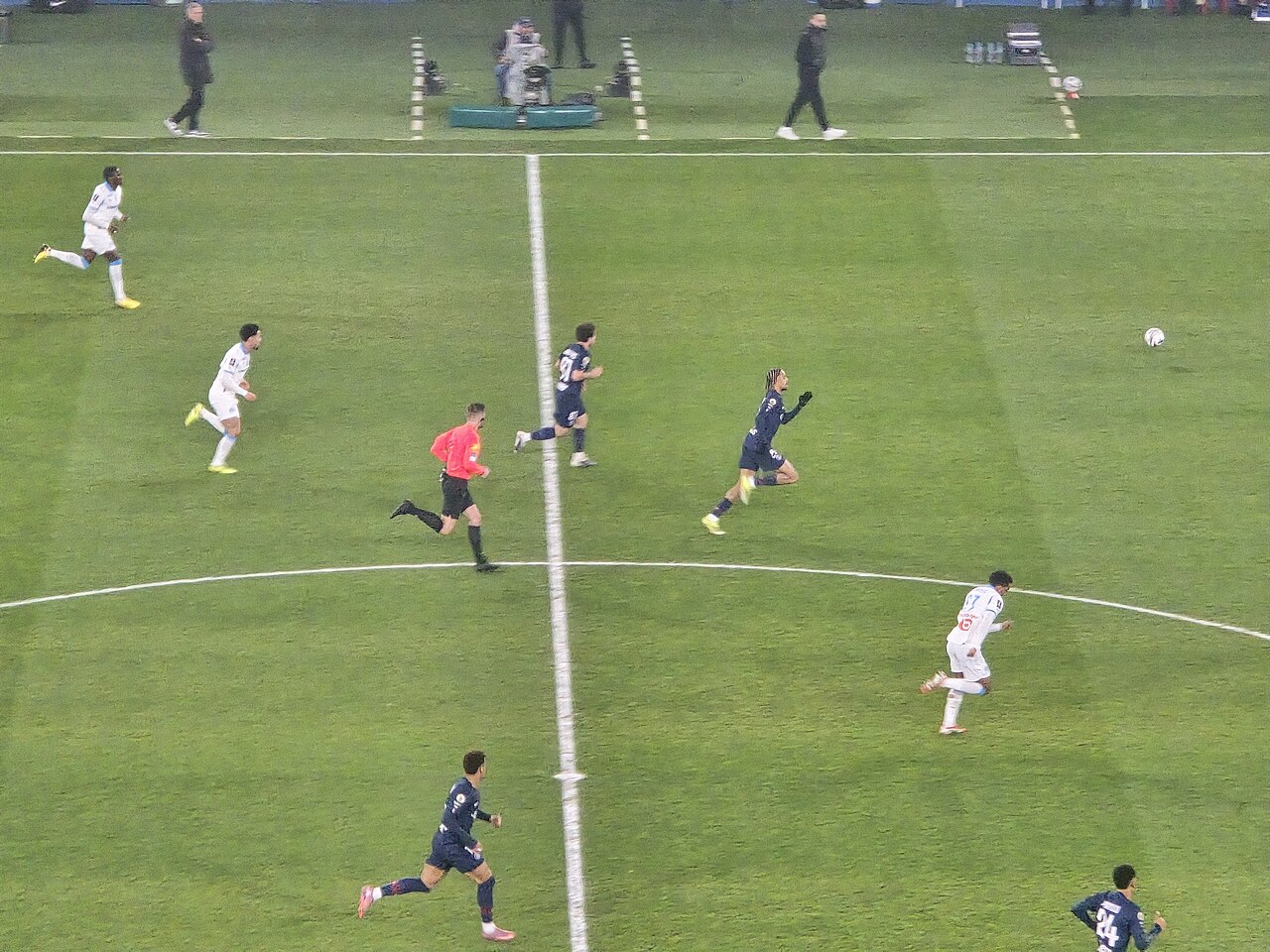
De Zerbi’s Brighton at times paused in deep possession to invite an opponent forward before passing through or around the press. Lewis Dunk, the goalkeeper and nearby midfielders could form the first connections. The reward is space beyond the pressure; the cost of a misplaced pass close to goal can be high.
Player examplesRoberto De Zerbi
Illustrative formation
Three at the back, five across the attack
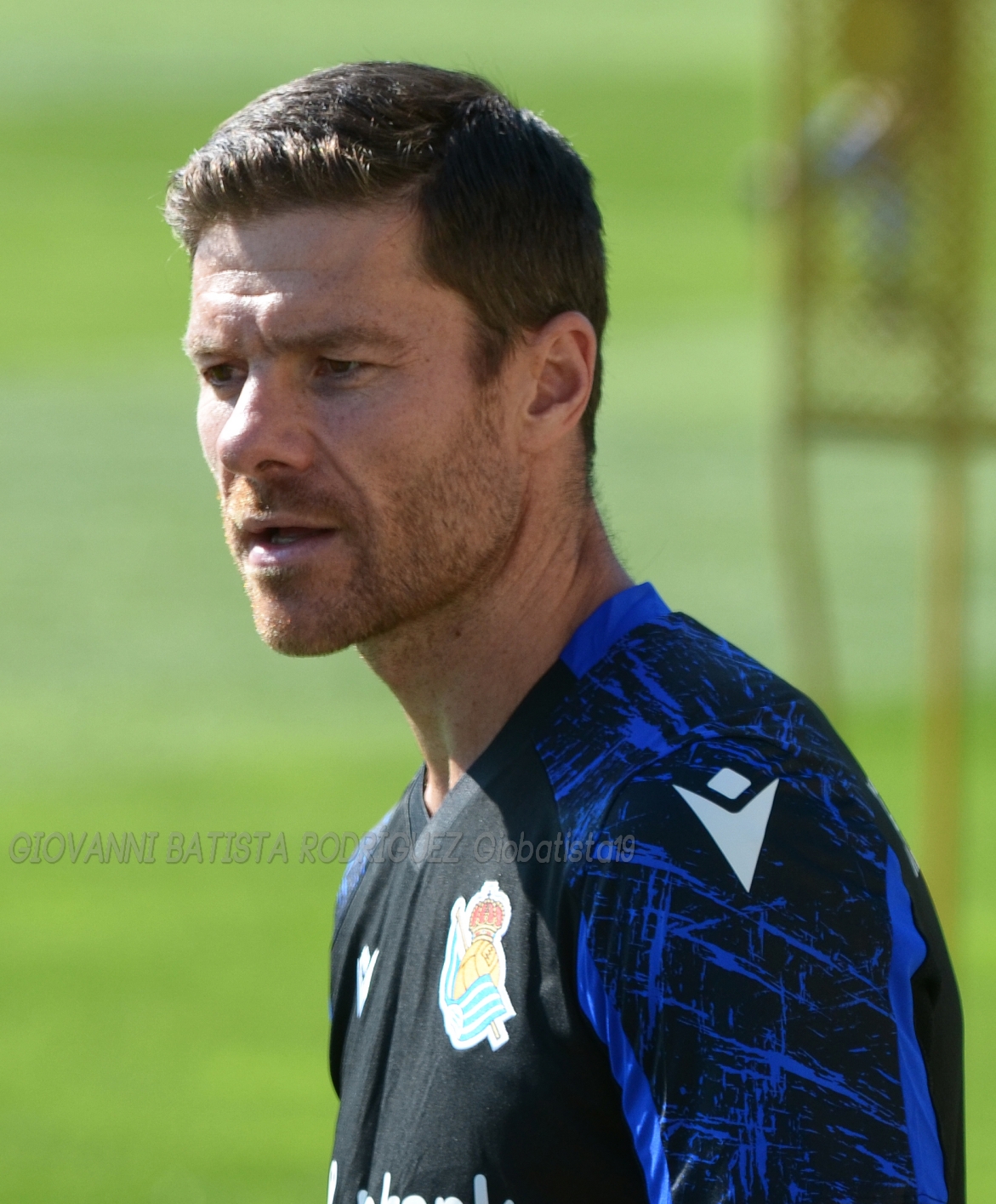
Alonso’s Bayer Leverkusen often began with three centre-backs and used Grimaldo and Frimpong to stretch the pitch. Wirtz could receive between the lines while Xhaka helped connect build-up. The team combined patient circulation with quick attacks when space opened; in 2023–24 Leverkusen completed an unbeaten Bundesliga season.
Player examplesXabi Alonso
Illustrative formation
Read the relationship, not just the role
No approach is automatically safer or better in every match. Judge the distances, the opponent’s pressure, the available passing options and the protection behind the ball before deciding what makes a build-up effective.