Beyond the Save: Nine Dimensions of Modern Goalkeeping
Positioning, distribution, anticipation and leadership: read the goalkeeper’s full contribution to the game.
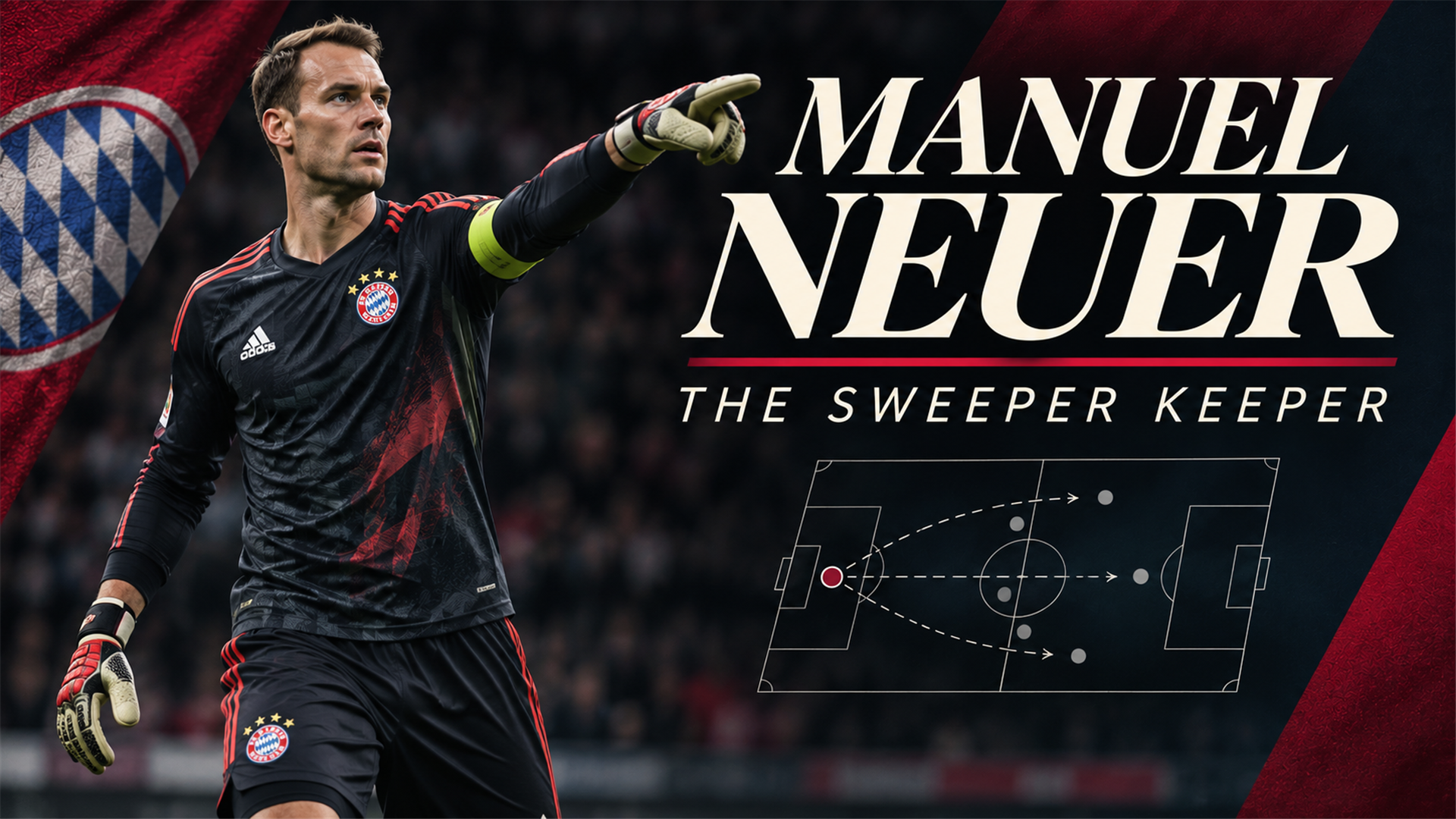
The highlight reel shows the dive. The full match reveals the position taken before the shot, the warning that prevents a chance and the pass that beats the press. These nine dimensions include core skills, tactical responsibilities and one unusual extra; they are not nine separate goalkeeper types.
Shot-stopping begins before the shot
Reflexes are only part of the job. Position, balance and readiness at the moment of the strike shape the save. Moving forward can narrow the angle, but the right depth depends on distance, ball position and the threat of a lob. A quiet, well-positioned save may reveal more than a spectacular recovery.
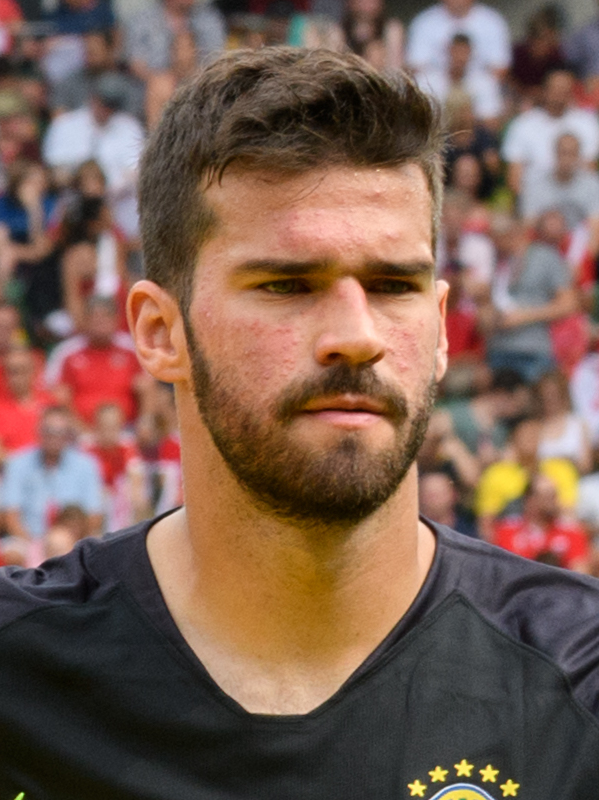
Player examplesAlisson Becker · Thibaut Courtois · Uğurcan Çakır
One-on-ones: timing the decision
The goalkeeper must read the attacker’s control, distance and supporting defenders. Closing the space, delaying or spreading to block are different responses, not one universal technique. Neuer illustrates proactive intervention; the challenge is choosing the right moment rather than simply rushing out.
Player examplesManuel Neuer
Saving penalties: preparation and uncertainty
Video preparation can reveal preferences, approach patterns and responses to the goalkeeper. Reading cues and choosing when to commit work alongside reach and technique. Emiliano Martínez is a reference for penalty situations, but preparation never guarantees a save. Analysis should distinguish a strong decision from the outcome alone.
Player examplesEmiliano Martínez
Short distribution: the extra passing option
A goalkeeper can create an extra player in the first line of possession. Passing accuracy matters, but so do timing, the receiver’s body shape and whether the pass leaves a useful next action. Alisson provides a reference. Playing short should serve an advantage, not become an obligation regardless of pressure.
Player examplesAlisson Becker
Long distribution: turning distance into an advantage
Long passes can bypass pressure, reach a target or release a runner. Ederson illustrates how range and delivery can influence the opposition’s press. The value lies in the intended receiver, the contested space and support for the second ball, not distance alone.
Player examplesEderson
Sweeping behind the defence
A high defensive line leaves space to manage. The goalkeeper reads through balls and decides whether to intercept, clear or hold position. Neuer is a reference for this proactive style, which has earlier roots too. The key relationship is between ball pressure, defensive depth and the goalkeeper’s starting point.
Player examplesManuel Neuer
Commanding crosses: claim, punch or stay
The flight of the ball, traffic and available route determine whether a goalkeeper can intervene safely. A catch can settle the situation; a punch needs useful distance and direction. Staying can also be correct when defenders are better placed. Judge the decision and execution rather than equating every exit with authority.
Player examplesJan Oblak · David de Gea
Communication: organising before the danger
From behind the line, the goalkeeper can warn about runners, adjust distances and organise restarts. Effective communication is specific and early; volume alone is not leadership. Casillas offers a reference for a goalkeeper’s organising responsibilities, but defensive success always belongs to the collective.
Player examplesIker Casillas
The unusual extra: a goalkeeper who takes penalties
Penalty-taking is an additional specialism, not a core requirement of goalkeeping. Ricardo and Hans-Jörg Butt are examples of goalkeepers associated with taking penalties. Technique and composure still matter, but this unusual contribution should not outweigh the everyday decisions that define the position.
Player examplesRicardo · Hans-Jörg Butt
Watch the decisions beyond the save
Next time, watch the goalkeeper when the ball is elsewhere. How high do they stand, who do they guide and which pass do they offer? Saves remain essential, but understanding the position means following the decisions that make some saves unnecessary.